48 hr
2-Day Whale Shark Encounter in Saleh Bay
Journey from Lombok to Sumbawa for an early-morning snorkel adventure with wild whale sharks
Reserve
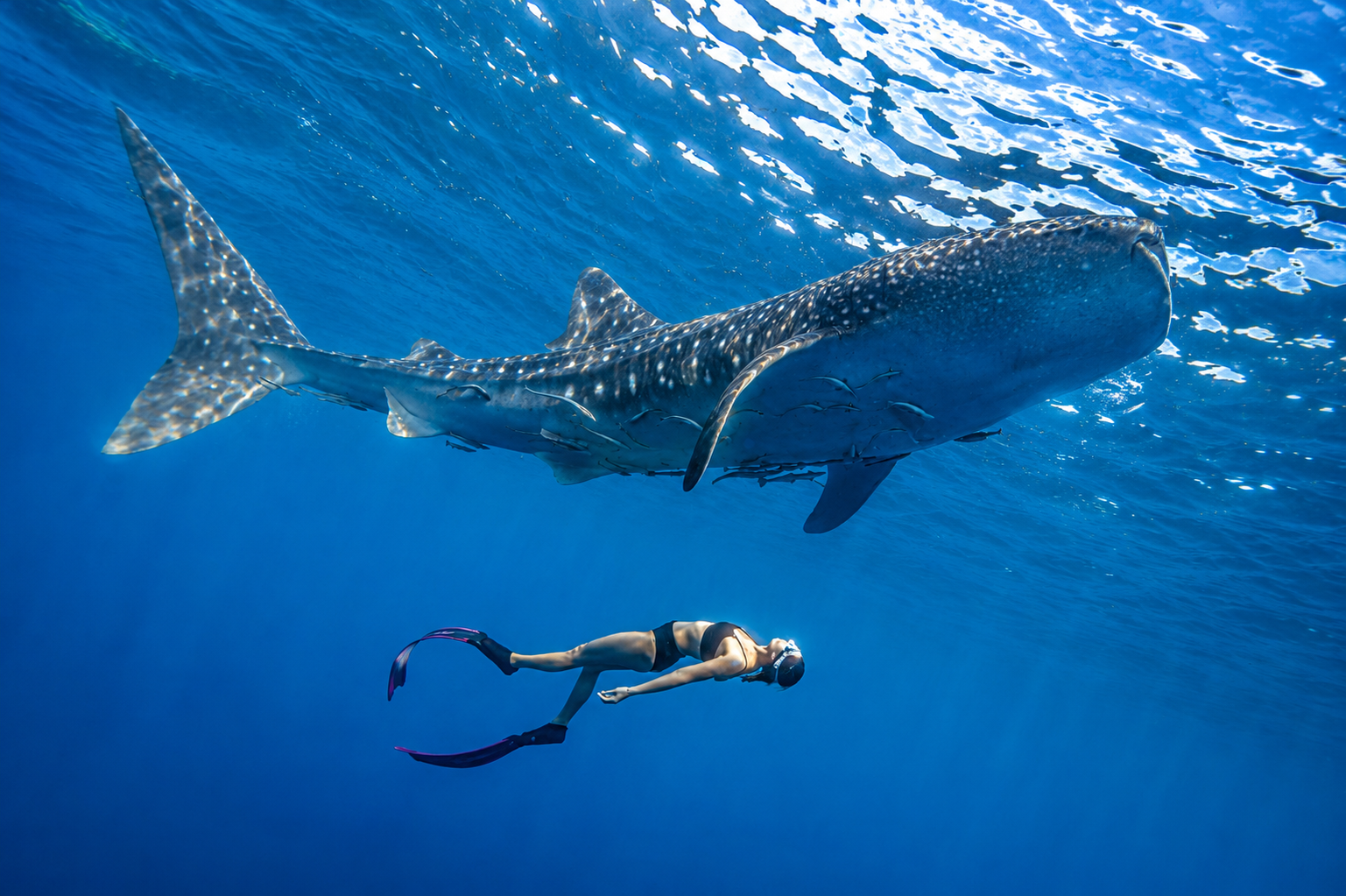
Meet the ocean's gentlest giants at sunrise, where fishing nets lift and shadows glide beneath.
Hand-picked by our editors — only the best 4 whale shark encounters from 11 reviewed.
Verified partners for Sumbawa Whale Shark tours, free cancellation where available, and instant confirmation on every booking.
48 hr
Journey from Lombok to Sumbawa for an early-morning snorkel adventure with wild whale sharks
Reserve
24 hr
Snorkel with gentle whale sharks at sunrise in one of Indonesia's most pristine and untouched marine sanctuaries
Reserve
48 hr
Cross to Sumbawa by ferry and snorkel alongside whale sharks at dawn on this overnight expedition
ReservePrices from verified partners. Availability updates in real time at checkout. Free cancellation policies apply where shown.
The landmarks, rooms, and views travelers on Sumbawa Whale Shark tours remember — all visible on a single visit.
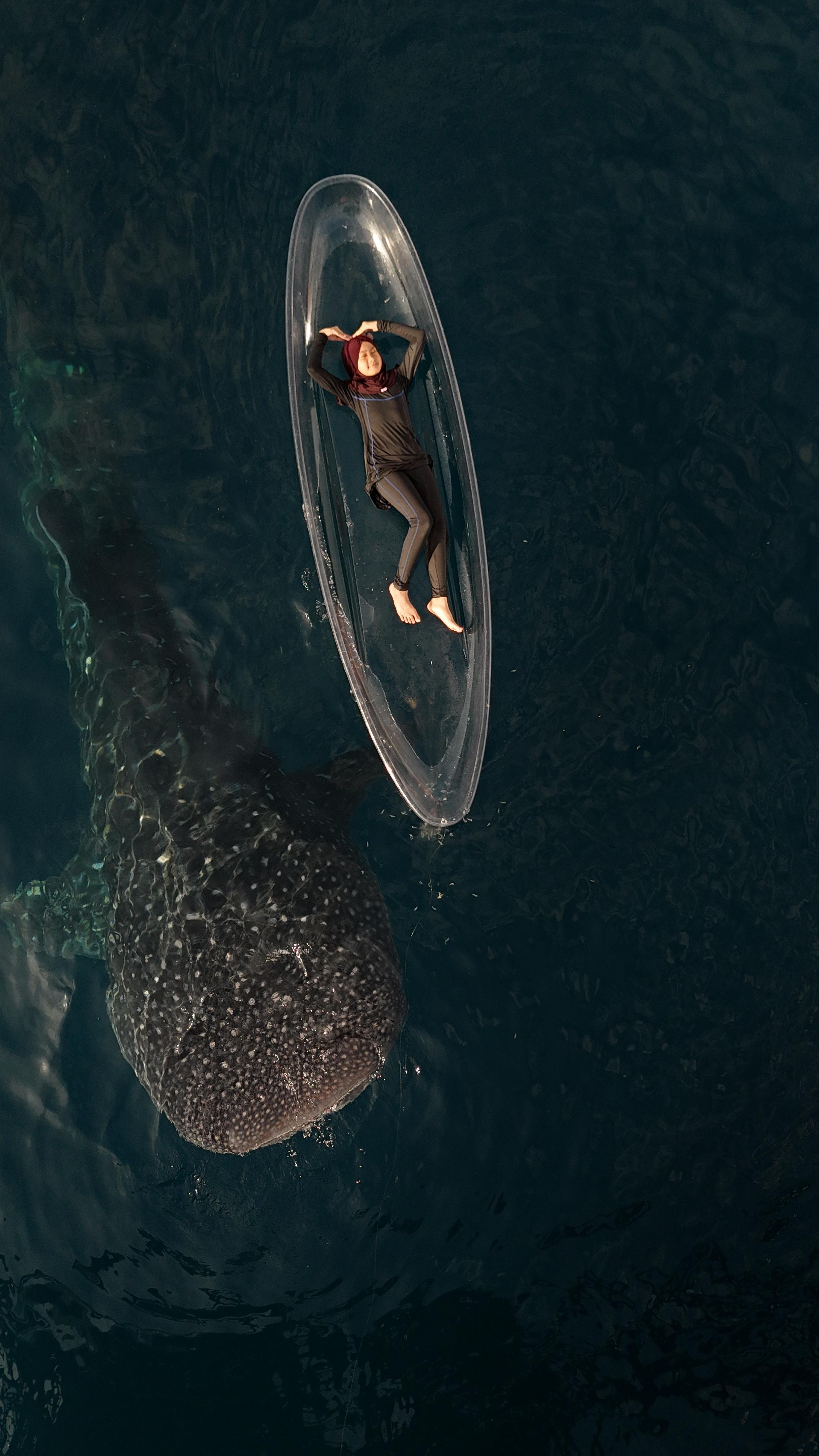
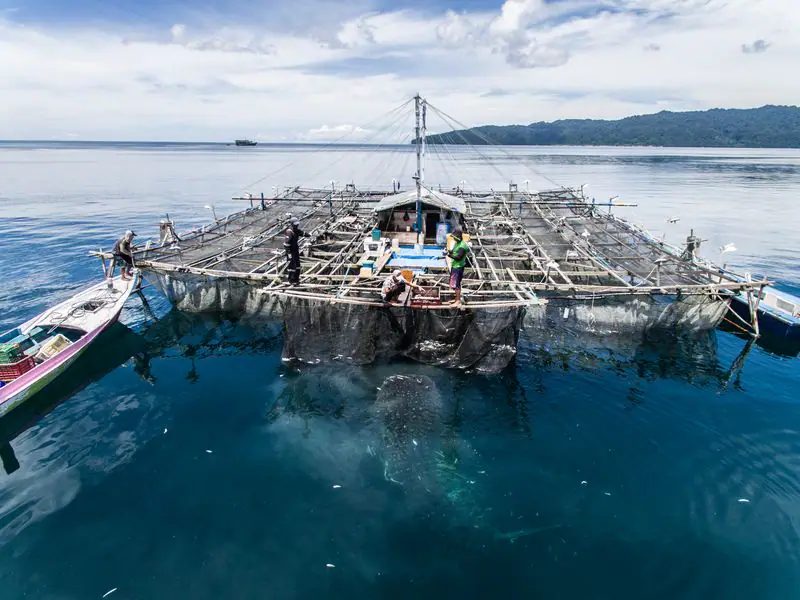
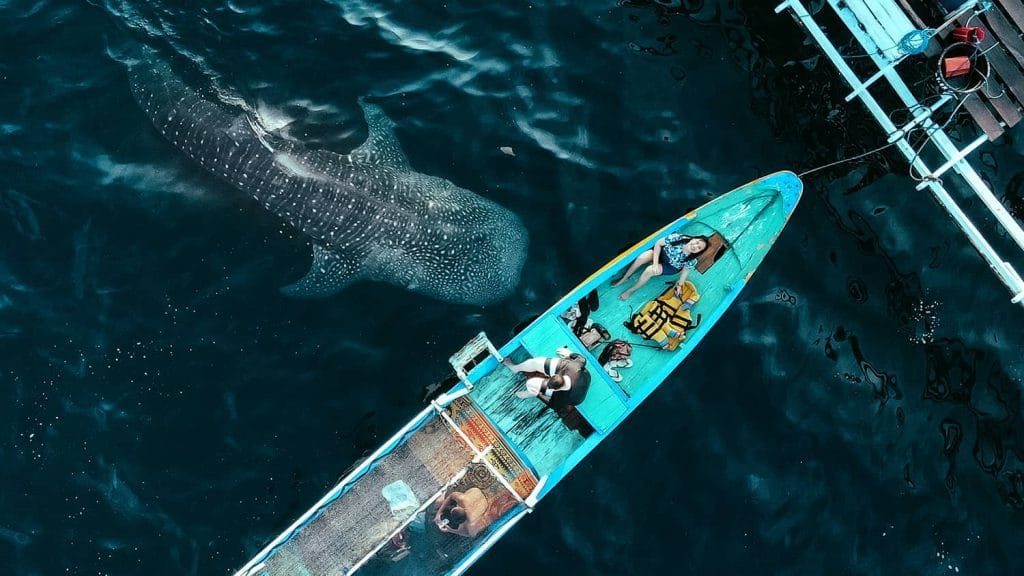
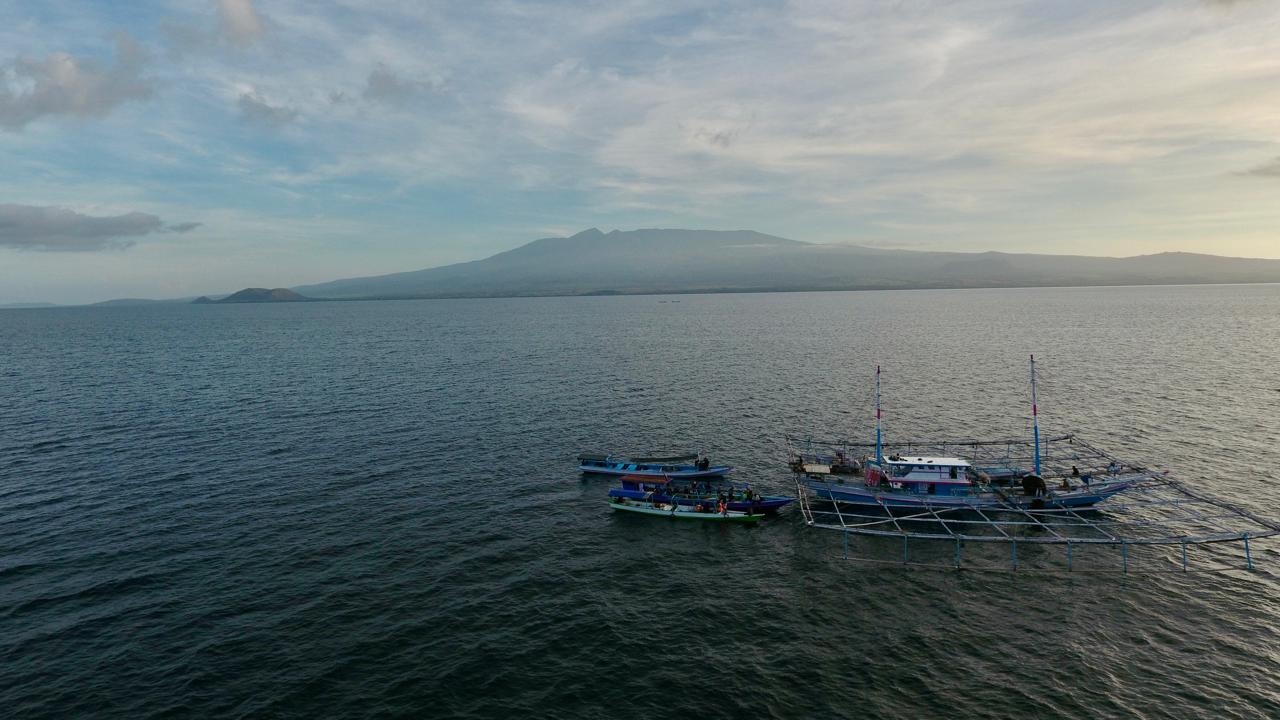
Floating fishing structures used to attract whale sharks with krill during net lifting.
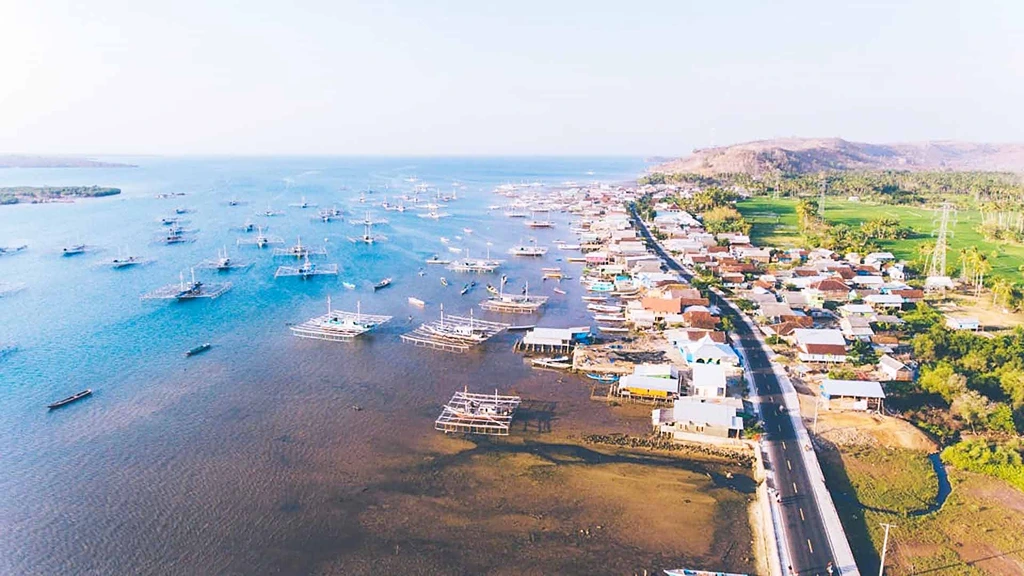
The central hub for all boat departures and local conservation efforts.
Expansive, calm inlet providing a nutrient-rich habitat for juvenile whale sharks.
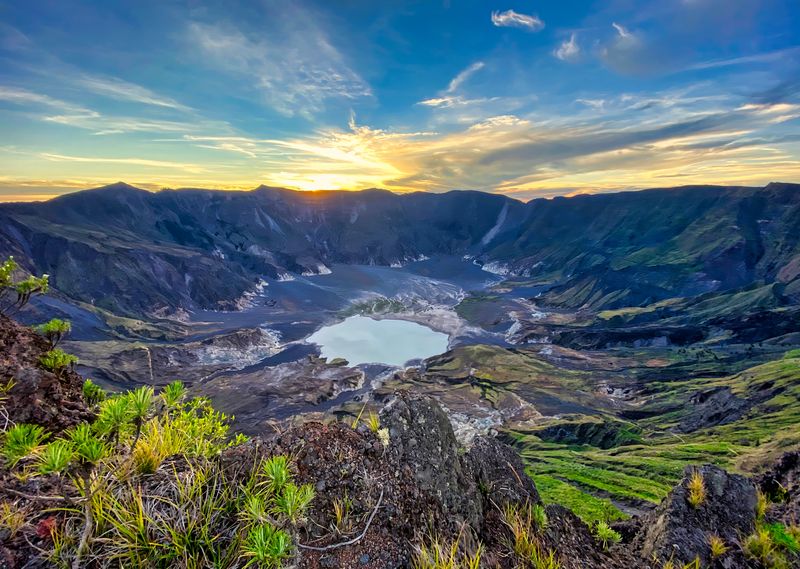
The backdrop of the massive volcano adds to the dramatic landscape during the morning tour.
Every Sumbawa Whale Shark tour side-by-side — duration, what's included, how you redeem.
| Experience | Duration | Rating | Skip-the-line | Guide | Small group | Free cancel. | Price | |
|---|---|---|---|---|---|---|---|---|
|
Guided Experience Most popular
2-Day Whale Shark Encounter in Saleh Bay
|
48 hr | ★ 4.6 | ✓ | ✓ | ✓ | ✓ | €151 | Book → |
|
Guided Experience
Whale Shark Encounter in Saleh Bay
|
24 hr | ★ 5.0 | ✓ | ✓ | ✓ | ✓ | €101 | Book → |
|
Guided Experience
Two-Day Whale Shark Adventure from Lombok to Sumbawa
|
48 hr | ★ 4.0 | ✓ | ✓ | ✓ | ✓ | €128 | Book → |
All prices from verified partners. Availability and exact terms confirmed at checkout.
Sumbawa whale shark tour tours offer a remote, wild encounter in Saleh Bay, whereas Oslob relies on a highly regulated, high-density feeding program. Most visitors seeking authentic marine life behavior prefer the untamed nature of Indonesia over the curated Philippines experience.
| Feature | Top pick Saleh Bay, Sumbawa | Oslob, Philippines |
|---|---|---|
Setting |
Remote open ocean | Coastal enclosure |
Interaction Type |
Wild bagan platform | Controlled surface feeding |
Crowd Levels |
Very low | High volume |
Accessibility |
Challenging travel | Easily accessible |
Environmental Impact |
Minimal disruption | Heavy dependency on feeding |
| See tickets → |
Verdict: Those prioritizing conservation and natural behaviors should choose the sumbawa whale shark tour, while those needing sumbawa whale shark tour tickets for an easy-access itinerary may consider the structured Philippine alternative.
Choose your ticket, select your date, and reserve in under two minutes. Secure checkout handled by our verified partner.
Instant confirmation by email, with a mobile voucher you can save offline. No printing, no queuing at a collection desk.
Arrive at the entrance, show your voucher on your phone, and walk in. Most tickets include priority or skip-the-line access.
Best time to go, insider tips, nearby landmarks, and the cancellation fine print — flip through to skim what matters to you.
Flexible, no hidden fees.
Cancellation terms are operator-specific; please confirm if your provider offers partial refunds for non-sightings. The 50,000 IDR entrance and conservation fee is typically non-refundable once paid at Labuan Jambu.
Rhincodon typus — the whale shark — arrives in Saleh Bay between November and April, drawn to the nutrient upwellings that concentrate plankton near traditional fishing platforms called bagan.
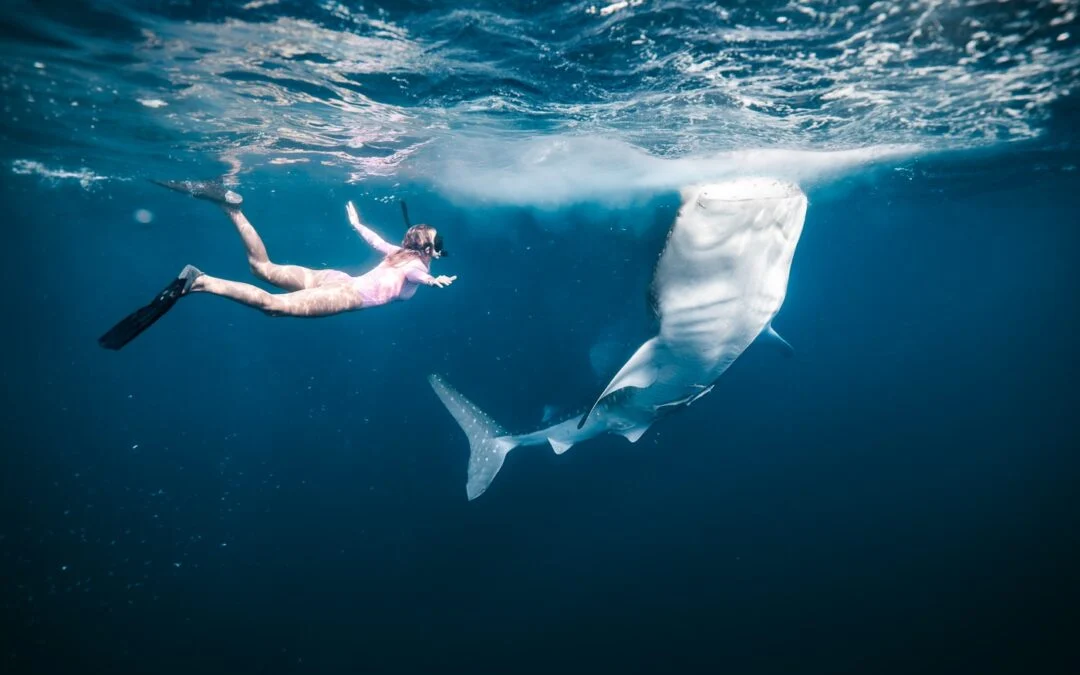
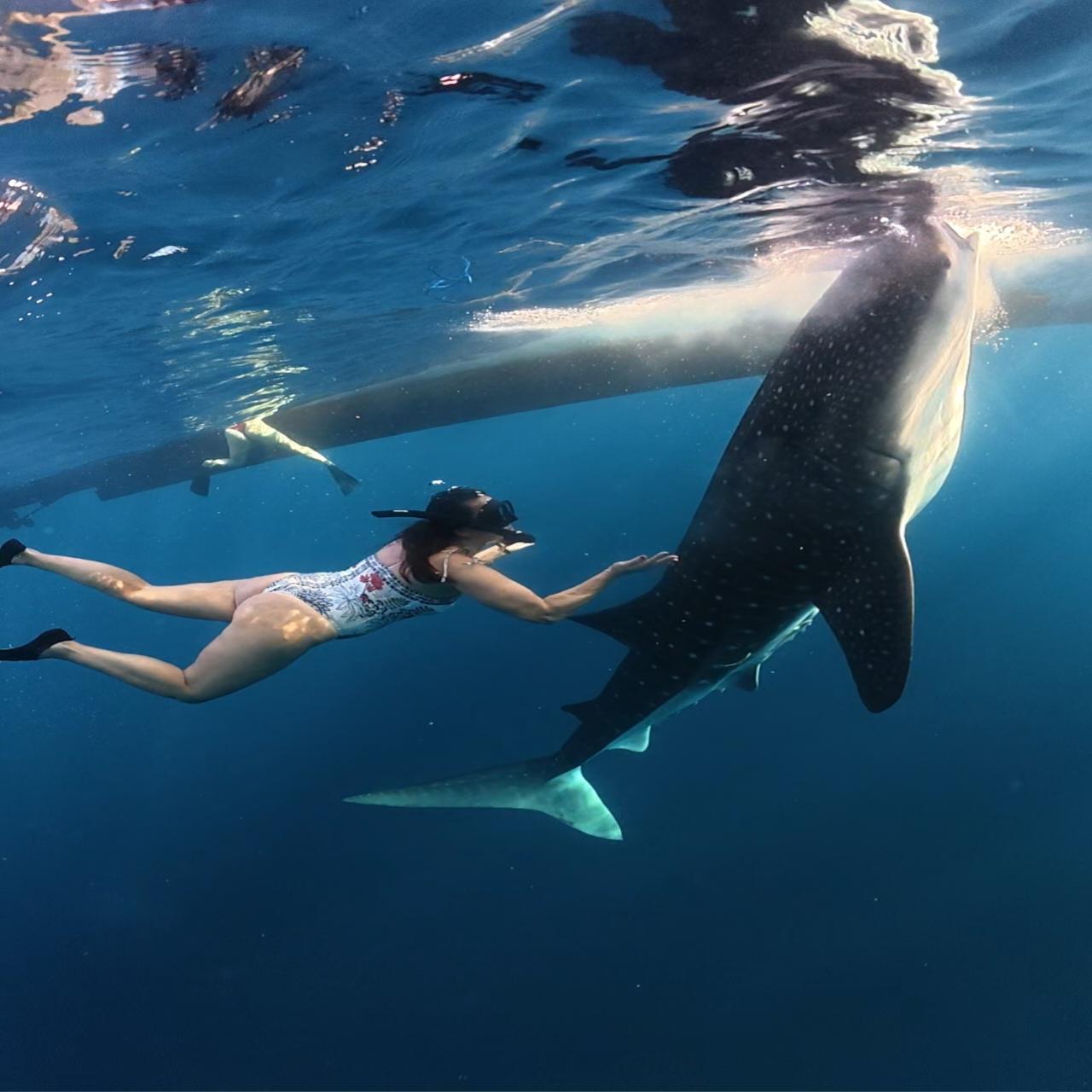
These fixed structures, anchored offshore from Labuan Jambu village, suspend nets thirty meters below the surface and attract dense clouds of zooplankton during the night. At dawn, when fishermen haul the nets and sort the catch, whale sharks patrol the perimeter, filtering the plankton stirred by the activity. The practice is accidental symbiosis: fishermen tolerate the sharks because they do not damage nets, and the sharks return each season to feed in the turbulence the platforms create.
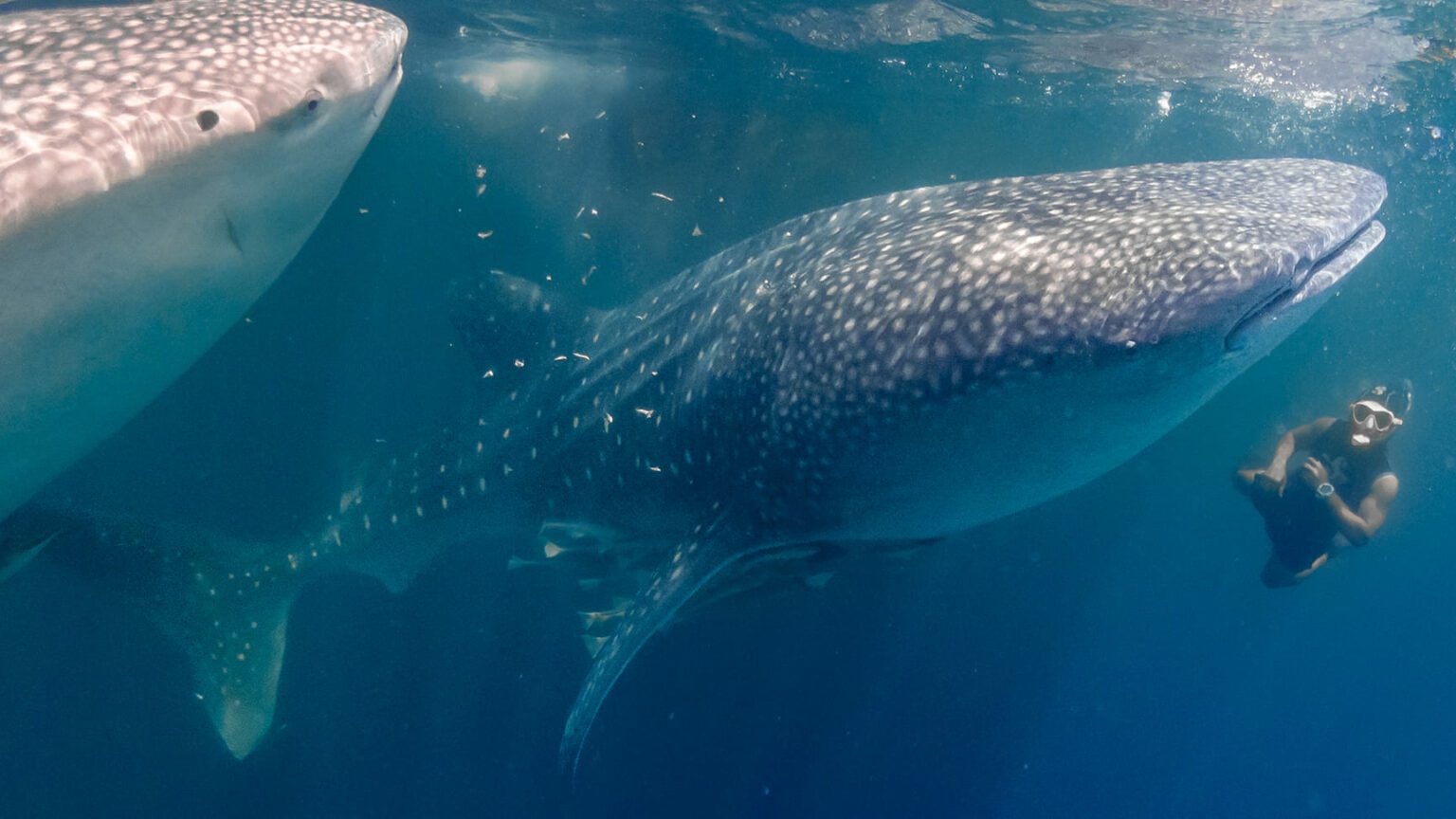
Saleh Bay's whale shark aggregation was documented by marine biologists in the early 2000s, but systematic research began only in 2015 when Conservation International installed photo-identification stations at Labuan Jambu. The bay hosts an estimated sixty to eighty individual sharks each season, most of them juvenile males measuring four to six meters in length. Unlike the more famous aggregations at Cenderawasih Bay in Papua or Oslob in the Philippines, Saleh Bay prohibits feeding or baiting; the sharks arrive of their own accord, following seasonal bloom cycles tied to the monsoon. The 50,000 IDR conservation fee funds patrol boats that enforce no-touch protocols and monitor platform compliance with marine sanctuary regulations established in 2018.
Labuan Jambu sits on the southern rim of Saleh Bay, a drowned caldera bordered by the volcanic slopes of Tambora to the north. The 1815 eruption of Tambora — the most powerful in recorded history — reshaped the bay's bathymetry and deposited nutrient-rich sediment that still drives the plankton blooms. The village economy depends on subsistence fishing and, increasingly, on whale shark ecotourism managed through a community cooperative. Sumbawa whale shark tours depart from wooden jetties at the village edge, where operators brief visitors on approach distance and snorkeling conduct. The bay opens to the Flores Sea to the west, and morning light filters through the water in golden columns when the sharks ascend to feed near the surface.
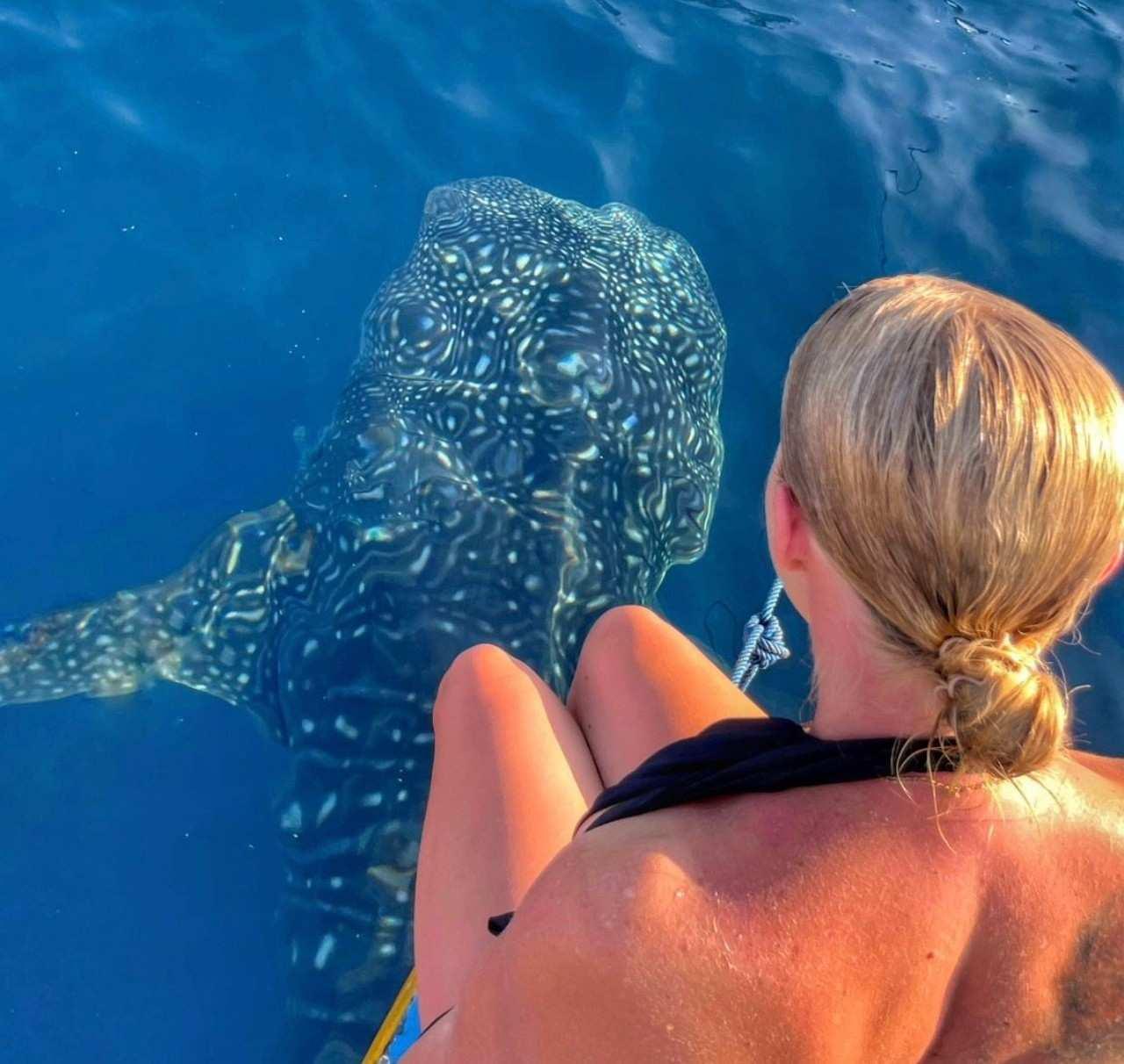
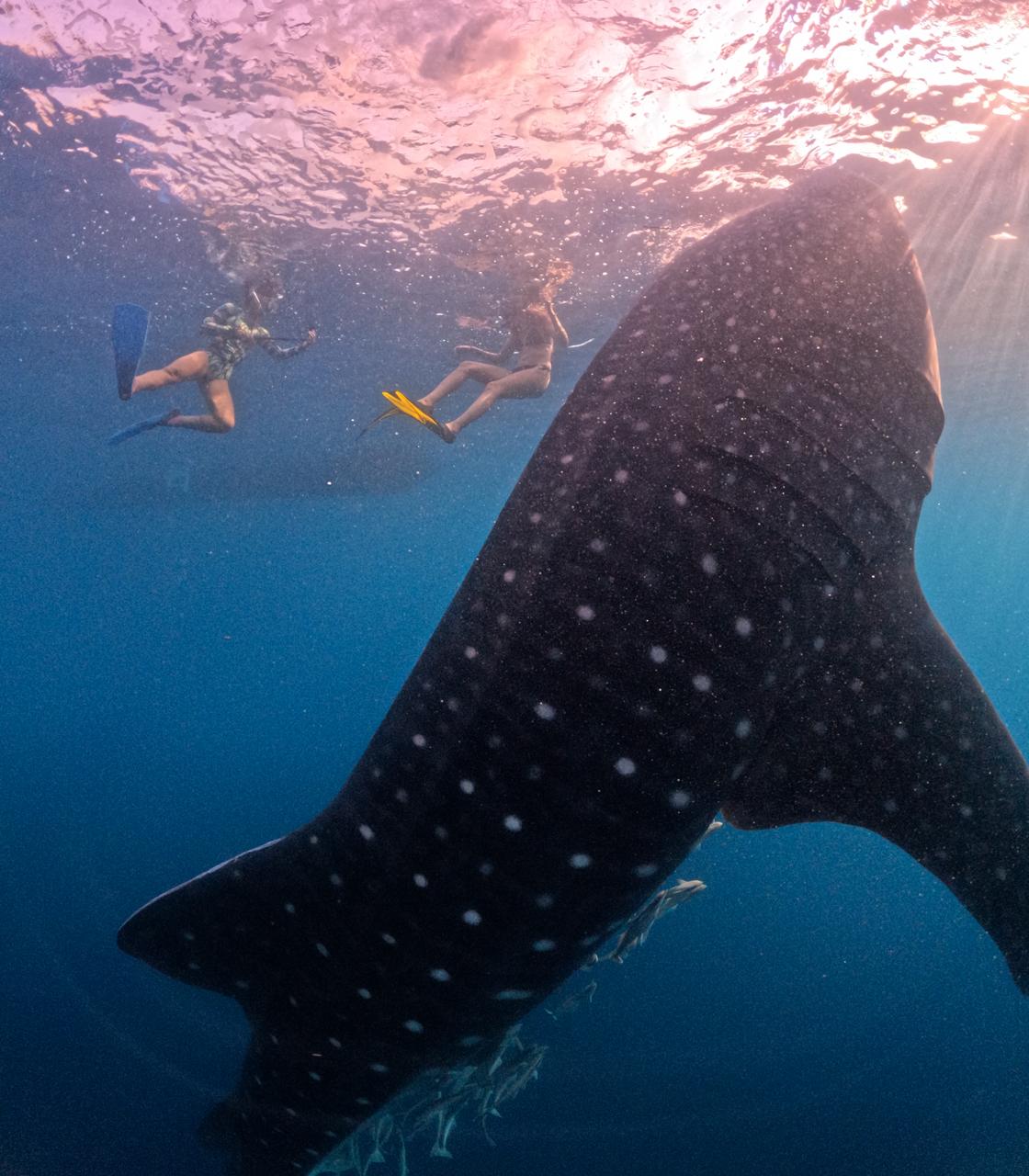
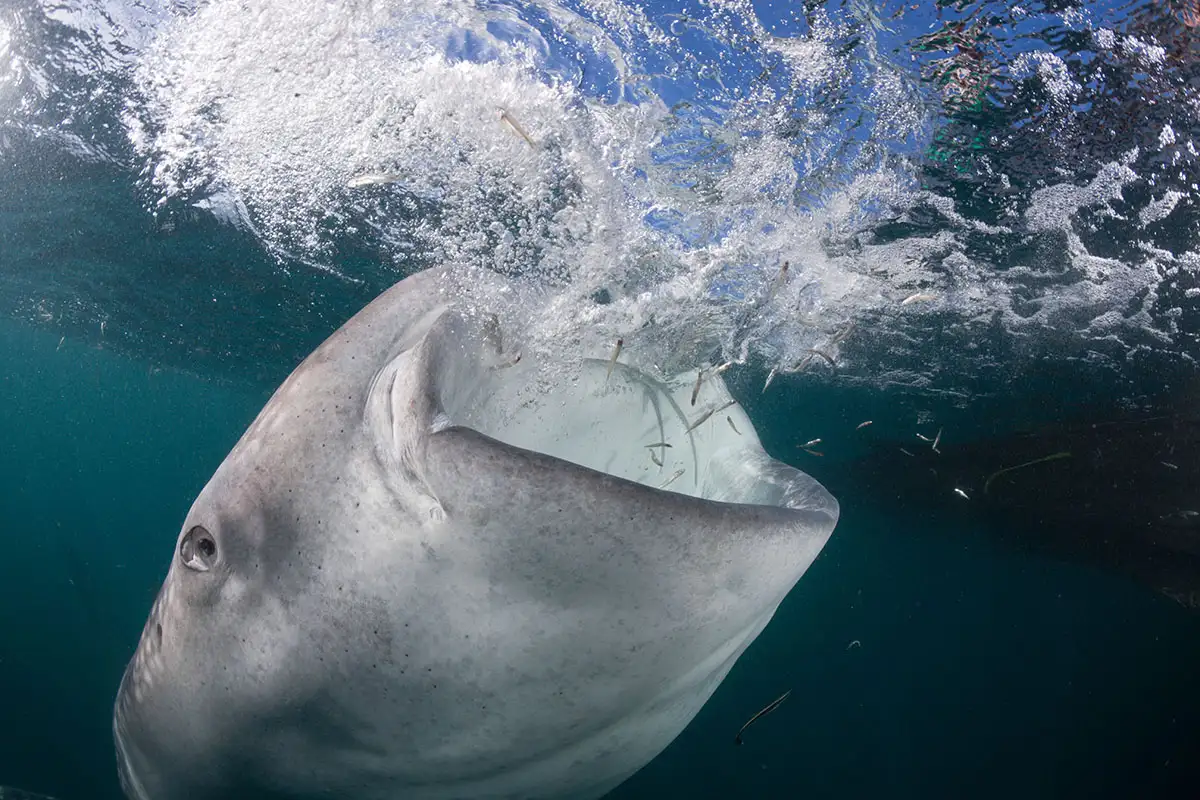
Encounters occur within a five-kilometer radius of the platforms, where depth ranges from twelve to forty meters. Visibility peaks between December and February, often exceeding twenty meters, and surface temperature holds steady at 28°C. The sharks feed in slow, vertical loops, mouths agape, filtering up to six thousand liters per hour. Observers note the pattern of white spots behind each gill slit — unique to each animal, stable across years, and cataloged in the bay's identification database. The aggregation disperses by late April as monsoonal currents shift and plankton density declines. By May the platforms stand empty, and the sharks migrate north toward the Java Sea or west into the Indian Ocean, routes still imperfectly understood.
"At dawn, when fishermen haul the nets and sort the catch, whale sharks patrol the perimeter, filtering the plankton stirred by the activity."
Bring swimwear, a towel, UV protection, and a waterproof bag. Most operators provide snorkeling gear and cameras for the sumbawa whale shark tour.
Yes, photography is highly encouraged. Please avoid flash to protect the whale sharks during your sumbawa whale shark tour.
Yes, you can explore the local culture in Labuan Jambu or visit nearby waterfalls and pristine beaches after your sumbawa whale shark tour.